May 8, 2026
Concrete is a cornerstone material in the construction industry, serving as the foundation for everything from residential homes to massive industrial complexes. Its versatility and strength make it an indispensable asset in the creation of durable structures. Given its fundamental role, selecting the right concrete supply solution is critical to meet the unique demands of each construction project, influencing factors ranging from structural integrity to aesthetic appeal.
The choice of a concrete supply solution can affect timelines, budgets, and the ultimate success of a construction endeavor. Understanding the different types of concrete, including their composition and applications, is vital for contractors and project managers. This article explores various concrete supply solutions, offering insights into their benefits, challenges, and future trends.
Customization Options for Projects
A Ready-mix concrete supply offers extensive customization possibilities, catering to specific requirements for diverse projects. By selecting appropriate materials and mix proportions, it can be tailored to achieve desired characteristics such as strength, workability, and durability. This flexibility makes it an asset in projects that demand precise performance criteria.
Different admixtures can be incorporated into the mix to modify properties or meet special conditions. For example, retarders can delay the setting time in hot climates, while accelerators might be used in cold temperatures to maintain productivity. Similarly, colored pigments and additives for improved pumpability showcase their adaptability for aesthetic and functional purposes.
The availability of these customization options ensures that ready-mix concrete can align with specific design and performance goals, thereby supporting versatile architectural visions. From high-rise buildings to intricate infrastructural developments, ready-mix concrete's tailored solutions resonate with the varying demands and innovations defining the construction industry today.
Cost-Effectiveness of Ready-Mix
Ready-mix concrete is known for its cost-effectiveness compared to on-site mixes, primarily due to its efficiency and reduced resource wastage. Being pre-mixed according to specific project requirements, it eliminates the need for excess raw materials on-site and decreases waste. This translates to notable cost savings in terms of materials and storage.
Labor costs also see a significant reduction with a ready-mix concrete supply, as it minimizes on-site preparation and decreases the demand for manual labor. The reduction in labor hours can directly contribute to lower overall project costs. Additionally, the decrease in material handling activities lessens the likelihood of workplace injuries and related financial liabilities.
Given the predictable quality of ready-mix concrete, there are fewer incidences of construction errors, which typically entail costly corrective measures. The predictable setting times and durability can further cut down maintenance costs over the lifespan of a building. Thus, ready-mix concrete's efficiency not only aligns with budgetary constraints but also supports project profitability.
On-Site Delivery and Logistics
The logistical execution of concrete delivery is a high-stakes component of the supply chain, where timing is just as important as the mix design itself. Modern on-site delivery solutions utilize GPS-enabled fleet management to provide project managers with real-time ETAs, ensuring that site crews are ready the moment the truck arrives. This synchronization is vital because concrete has a limited "pot life"; once it leaves the batch plant, the hydration process begins, and any significant delay can lead to a loss of workability or premature setting. In 2026, many suppliers have integrated this data into mobile apps, allowing contractors to track the temperature and rotation count of the drum while the vehicle is still in transit, ensuring the load meets quality standards before it even reaches the gate.
To accommodate challenging job sites, suppliers offer various delivery methods, such as concrete pumping services. Boom pumps, with their extending robotic arms, can reach over obstacles, fences, and into high-rise forms with surgical precision. Conversely, line pumps utilize flexible hoses that are ideal for navigating tight residential alleys, indoor pours, or steep embankments where a heavy truck cannot safely tread. These professional delivery solutions minimize the physical strain on labor and ensure the concrete is placed precisely where it is needed, maintaining the material’s integrity by preventing the segregation that can occur when concrete is moved manually over long distances.
Furthermore, advanced logistics now account for site-specific environmental variables. Delivery schedules can be dynamically adjusted based on real-time traffic patterns or sudden shifts in humidity and wind speed, which impact the evaporation rate of the wet mix. For high-volume projects, "continuous pour" logistics are employed, where a staggered fleet of mixers is orchestrated to ensure a seamless transition between loads. This prevents the formation of "cold joints"—weak points created when a new layer of concrete is poured against a layer that has already begun to harden—thereby protecting the structural monolithic nature of the entire build.
Tailored Solutions for Residential Concrete
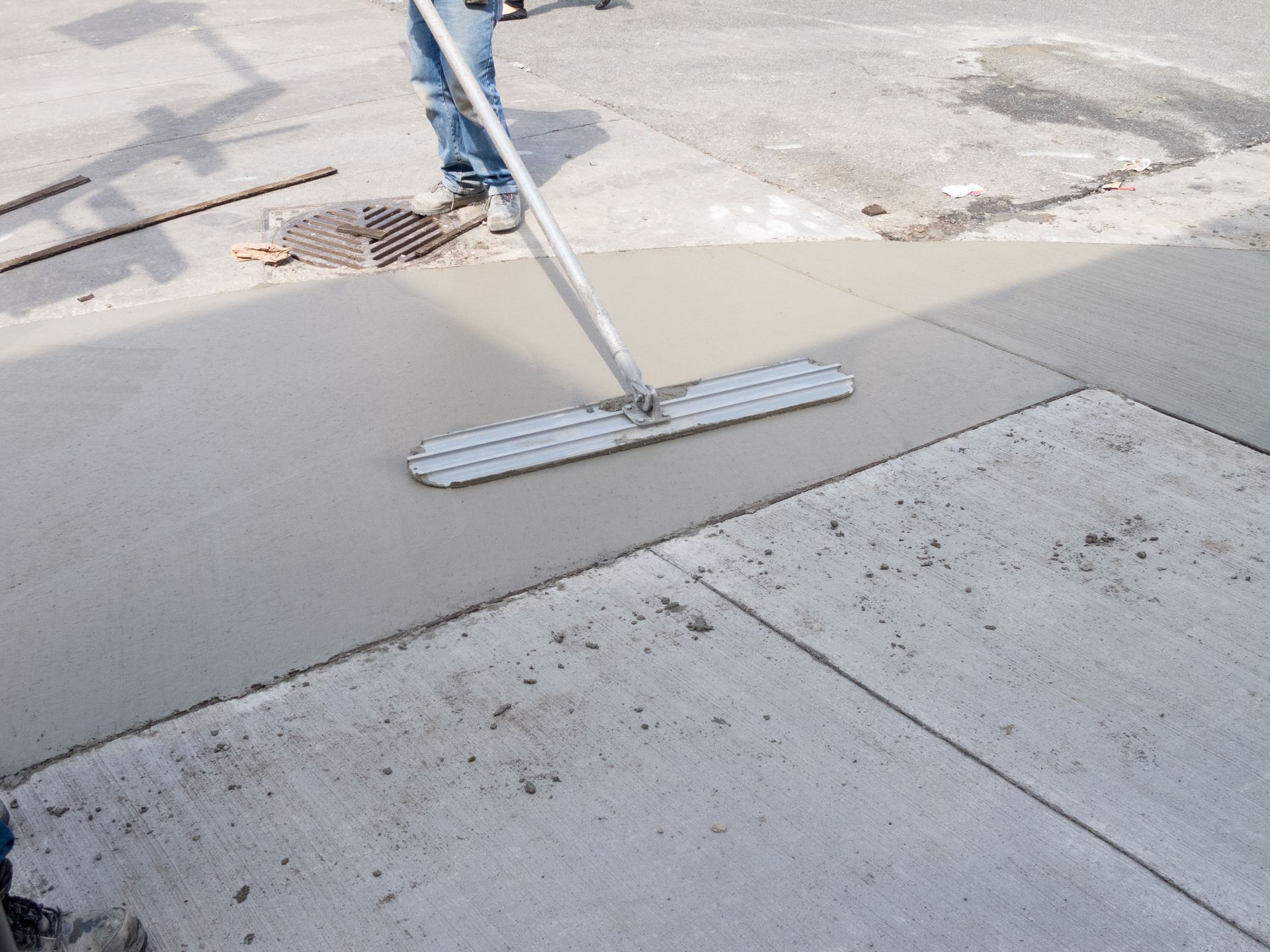
Residential concrete projects—ranging from foundations and driveways to pool decks and patios—demand a balance of structural reliability and aesthetic flexibility. For homeowners and residential contractors, the focus is often on curb appeal and longevity. Residential mixes are typically designed with specific "slump" requirements to ensure ease of placement for smaller crews while maintaining high resistance to local weather patterns, such as freeze-thaw cycles.
Beyond the standard slab, residential supply solutions often include integrated additives like fiber reinforcement to reduce the risk of surface cracking in large driveways. Furthermore, the rise of "outdoor living" has increased the demand for residential mixes that can be easily stamped or stained, allowing homeowners to achieve a high-end look that complements their architecture without the maintenance burden of natural stone or wood.
Performance-Driven Commercial Concrete
In the commercial sector, concrete supply solutions are built around rigorous performance specifications and rapid turnaround times. Commercial structures, such as retail hubs, warehouses, and office complexes, require concrete that can withstand immense structural loads and high-volume foot or vehicle traffic. These mixes often feature higher compressive strengths and are engineered for low permeability to ensure the building's core remains protected against environmental degradation over decades.
Because "time is money" in commercial development, suppliers often provide high-early-strength concrete, which allows for faster form removal and quicker access for following trades. This is particularly critical in multi-story commercial builds or large-scale warehouse flooring where "super-flat" tolerances are required for automated machinery. By partnering with a supplier capable of delivering these high-spec commercial mixes consistently, developers can ensure their projects meet strict building codes and long-term durability standards.
Decorative Concrete Finishes
Decorative concrete has paved the way for aesthetic innovation across residential and commercial applications. Its versatility allows the creation of visually appealing surfaces that mimic traditional materials like stone, brick, or wood. Techniques such as stamping, staining, or polishing offer options ranging from rustic textures to sleek urban finishes.
In residential and commercial landscapes, decorative concrete provides durable, cost-effective solutions for patios, driveways, and walkways. Its low maintenance requirements and resistance to elements enhance its appeal over traditional materials. With environmental sustainability becoming more critical, decorative concrete's ability to be recycled is an added advantage.
Decorative finishes also enhance the energy efficiency of indoor spaces through light-reflective applications and cool roof systems. The adaptability of decorative concrete in complementing architecture manifests in its growing demand, supported by an expanding array of colors, textures, and patterns available to designers. This creative flexibility makes it paramount in shaping the future of aesthetic construction.
Concrete remains an essential pillar of modern construction, offering unmatched versatility, durability, and adaptability across a wide range of applications. From ready-mix solutions that streamline efficiency and reduce costs to specialized mixes like high-performance, lightweight, and self-consolidating concrete, the industry continues to evolve to meet the growing demands of innovation and sustainability. Decorative finishes further expand concrete’s role beyond structural necessity, enabling creative expression while maintaining long-term performance.
The importance of selecting the right concrete supply solution cannot be overstated, as it directly impacts project timelines, costs, and overall quality. As construction practices advance and urban development accelerates, the demand for tailored concrete solutions will only increase. Notably, according to Grand View Research, the residential construction segment accounted for 38.4% of global concrete demand, underscoring the material’s critical role in housing development worldwide. If you are one of the many in need of concrete for your project, look no further than Long Island Ready Mix to supply your build.