March 10, 2026
Concrete is one of the most durable and widely used building materials, but even it is not immune to wear and damage over time. Cracks, spalling, and surface deterioration can compromise both appearance and structural integrity if left unaddressed. Understanding the essentials of effective concrete repair helps property owners protect their investment and extend the life of their surfaces.
1. Identifying the Root Cause of Damage
Before beginning any concrete maintenance, it is crucial to determine the underlying cause of the problem. Damage may result from freeze-thaw cycles, heavy loads, soil movement, moisture intrusion, or improper installation. Simply patching visible cracks without addressing the source can lead to recurring issues and additional costs.
A thorough inspection helps identify whether the damage is structural or cosmetic. Structural concerns may require reinforcement or professional evaluation, while surface imperfections may only need targeted repairs. Proper diagnosis ensures that concrete maintenance efforts are effective and long-lasting rather than temporary fixes.
2. Cleaning and Preparing the Surface Properly
Surface preparation is one of the most important steps in successful repairs. Dirt, debris, oil, and loose concrete can prevent bonding between old and new material. Power washing, grinding, or wire brushing removes contaminants and creates a stable base for repair compounds.
Without proper preparation, even high-quality materials may fail prematurely. Ensuring the surface is clean and slightly roughened improves adhesion and durability. Taking the time to prepare correctly lays the foundation for effective concrete maintenance and prevents premature deterioration.
3. Selecting the Right Repair Materials
Different types of damage require different materials. Hairline cracks may only need a flexible sealant, while larger structural cracks may require epoxy injection or polymer-modified patching compounds. Choosing the appropriate material ensures compatibility with the existing concrete and environmental conditions.
Climate, traffic load, and moisture exposure should all influence material selection. For example, exterior surfaces exposed to temperature fluctuations may benefit from flexible compounds that accommodate expansion and contraction. Proper material choice plays a critical role in durable concrete repair.
4. Addressing Cracks Promptly and Effectively
Cracks are among the most common forms of concrete damage. While small cracks may seem harmless, they can allow water infiltration that leads to corrosion of reinforcement and further deterioration. Sealing cracks promptly prevents minor issues from becoming major structural problems.
Using the appropriate method—whether routing and sealing, epoxy injection, or patching—depends on the crack’s size and depth. Effective concrete maintenance involves stopping moisture penetration and restoring structural integrity, not simply covering the surface.
5. Repairing Spalling and Surface Damage
Spalling occurs when the surface of concrete flakes or chips away, often due to freeze-thaw cycles or corrosion of embedded steel reinforcement. Addressing spalling requires removing damaged material and applying a suitable patching compound.
Reinforcing exposed steel and ensuring proper bonding prevents future delamination. Attention to detail during concrete maintenance ensures that repaired areas blend seamlessly with existing surfaces while maintaining strength and durability.
6. Reinforcing Structural Weaknesses
In some cases, damage extends beyond the surface and affects structural components. Structural repairs may involve adding reinforcement, using fiber-reinforced materials, or applying overlays to restore load-bearing capacity.
Professional evaluation is recommended when structural integrity is compromised. Effective concrete maintenance not only restores appearance but also ensures safety and stability for buildings, driveways, sidewalks, and other surfaces subjected to heavy use.
7. Ensuring Proper Curing and Drying
Curing is a critical step that directly affects the strength and longevity of repairs. Newly applied repair materials must be protected from rapid drying, extreme temperatures, and heavy traffic until fully cured.
Maintaining appropriate moisture levels during curing enhances bonding and prevents cracking. Rushing the curing process can compromise even the best concrete repair efforts, leading to premature failure and additional maintenance costs.
8. Considering Environmental and Traffic Conditions
Environmental factors play a significant role in the durability of concrete surfaces. Exposure to moisture, de-icing chemicals, and heavy traffic can accelerate wear and damage. According to Grand View Research, ready-mixed concrete has a lifespan of 30 years under heavy traffic. This statistic highlights the importance of proactive maintenance and timely concrete maintenance to maximize longevity.
By considering environmental stressors, property owners can choose repair solutions designed to withstand specific conditions. Tailoring repair strategies to climate and usage patterns ensures lasting performance.
9. Applying Protective Sealants and Coatings
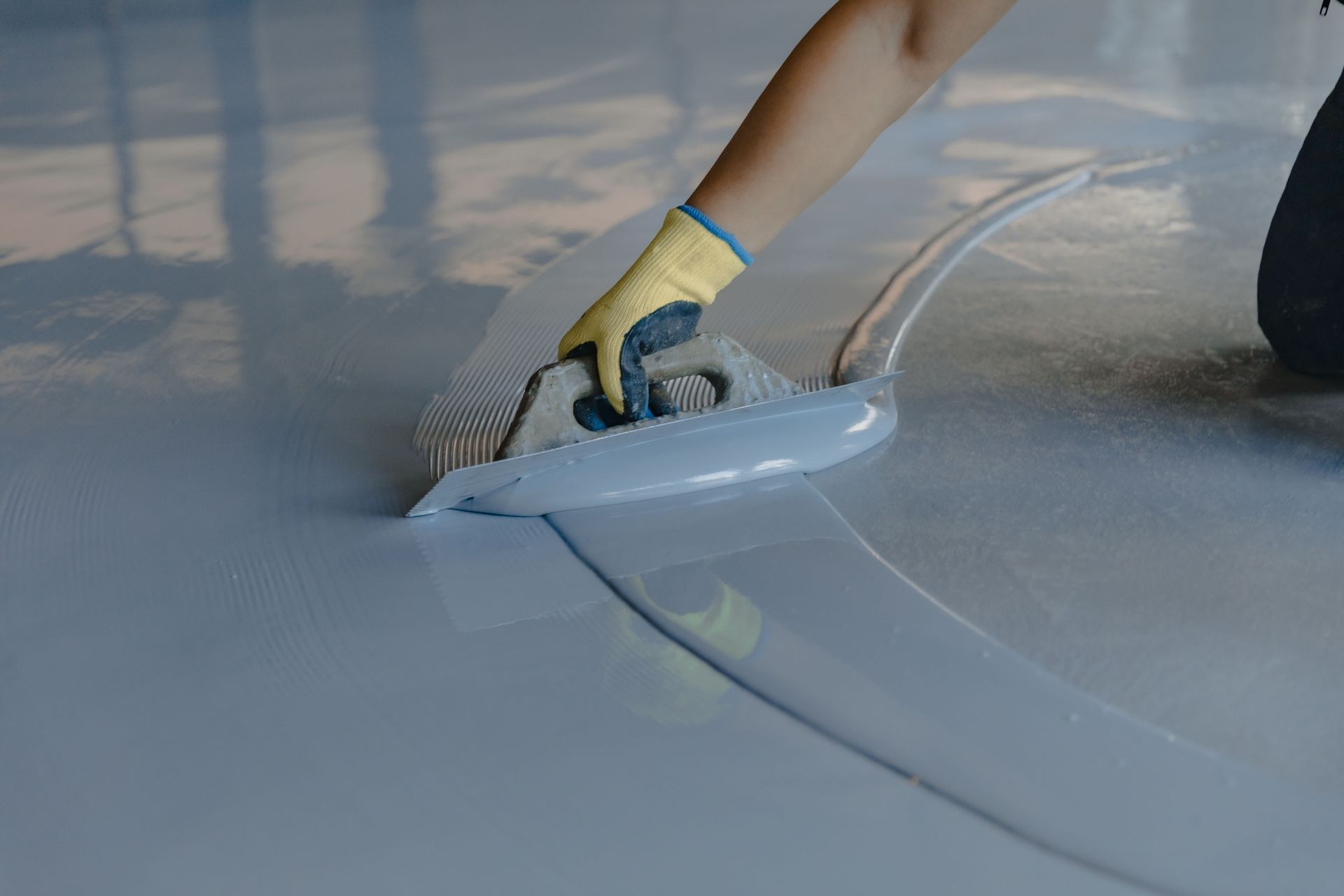
After completing repairs, applying sealants or protective coatings can extend the life of concrete surfaces. Sealants prevent water penetration, resist stains, and reduce damage from chemicals or freeze-thaw cycles. They also help minimize surface dusting and abrasion caused by daily wear and heavy traffic.
Protective coatings also enhance appearance and simplify maintenance. Options such as epoxy, polyurethane, or acrylic coatings can provide added durability while delivering a clean, uniform finish. Integrating sealants into your concrete repair plan provides an additional layer of defense against future deterioration and helps preserve both the structural integrity and visual appeal of the surface over time.
10. Preventing Future Damage Through Maintenance
Preventive maintenance is essential for preserving concrete surfaces. Regular inspections, cleaning, and minor touch-ups can prevent small issues from escalating. Addressing drainage problems and controlling moisture exposure further reduces risk. Ensuring that gutters, downspouts, and surrounding grading direct water away from concrete surfaces can significantly minimize erosion and cracking.
Routine care complements concrete maintenance efforts and helps maintain structural integrity. Sealing joints and promptly filling small cracks also prevents water intrusion that can weaken the base over time. By staying proactive, property owners reduce long-term repair costs and extend the usable life of their surfaces.
11. Hiring Skilled Professionals When Necessary
While minor repairs may be manageable for experienced DIYers, larger or structural issues often require professional expertise. Skilled contractors have the tools, training, and knowledge to diagnose complex problems and apply advanced repair techniques.
Professional concrete maintenance ensures compliance with safety standards and building codes. Investing in expert services can prevent costly mistakes and ensure that repairs are durable and effective.
12. Matching Repairs to Aesthetic Goals
In addition to structural performance, appearance matters. Repairs should blend seamlessly with existing surfaces to maintain a cohesive look. Matching color, texture, and finish requires careful attention and the right materials.
Decorative overlays, staining, or resurfacing can restore visual appeal while addressing functional concerns. Well-executed concrete repair enhances both durability and curb appeal.
13. Evaluating Cost and Long-Term Value
Cost considerations often influence repair decisions. While temporary fixes may appear economical, they often lead to recurring expenses. Investing in quality materials and proper techniques yields better long-term results.
Comparing short-term costs with long-term value helps property owners make informed decisions. Effective concrete maintenance reduces the need for complete replacement, saving time and money over the lifespan of the structure.
14. Monitoring Repaired Areas Regularly
After completing repairs, ongoing monitoring ensures that issues do not reappear. Periodic inspections identify early signs of cracking, moisture infiltration, or surface wear.
Addressing minor concerns quickly prevents them from escalating into larger problems. Consistent monitoring supports the success of concrete maintenance efforts and maintains structural reliability over time.
Effective concrete repair requires careful assessment, proper preparation, and the right materials for the job. By addressing damage promptly and implementing preventive measures, property owners can extend the lifespan and performance of their concrete surfaces. With thoughtful planning and maintenance, repaired concrete can remain strong, safe, and visually appealing for decades. If you are looking for a reliable concrete company, contact Long Island Ready Mix today to learn more and get started!