May 21, 2026
A concrete driveway serves as more than just a path for vehicles; it is a vital component of a home's curb appeal and structural integrity. Over time, exposure to harsh weather and heavy use can lead to surface wear, detracting from the property's overall appearance. Concrete driveway resurfacing offers a sophisticated solution to these issues, allowing homeowners to revitalize their exterior surfaces without the logistical and financial burdens of a total overhaul.
Resurfacing provides a versatile platform for both functional repair and creative expression. Whether your goal is to eliminate unsightly cracks or to introduce a new decorative pattern that complements your home’s architecture, this process delivers professional-grade results. It acts as a protective shield, sealing the existing substrate against further moisture penetration and chemical damage. Understanding the nuances of this process—from material selection to long-term benefits—is the first step in making a sustainable investment that preserves your home's value for decades.
Understanding Concrete Driveway Resurfacing
Definition and Process
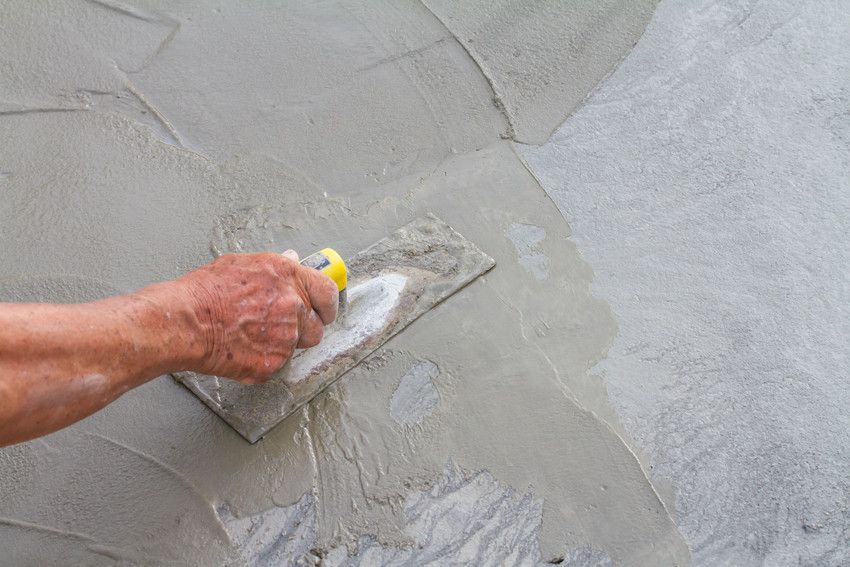
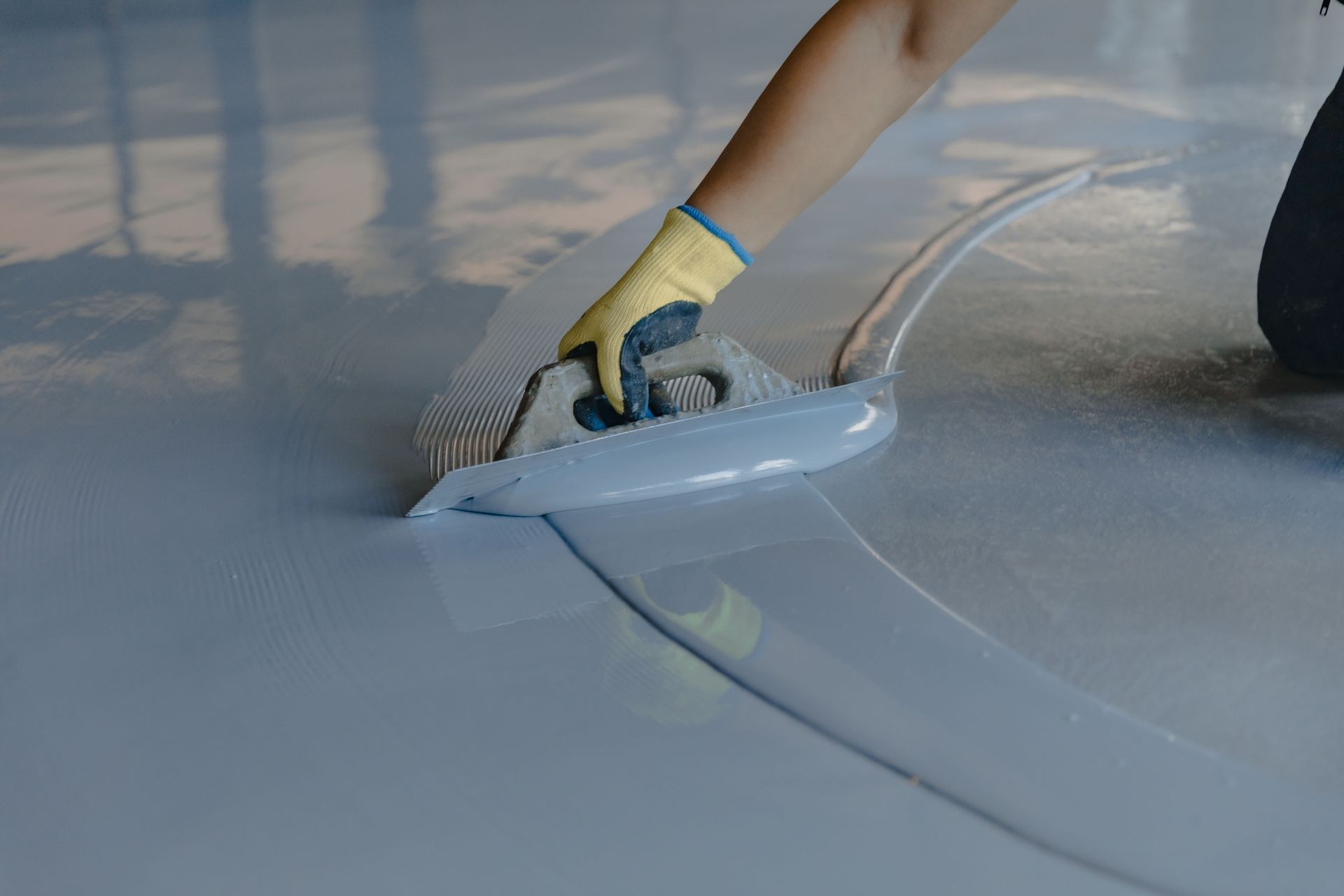
Concrete driveway resurfacing involves applying a new, durable layer over existing concrete to restore its appearance and function. The resurfacing process starts with cleaning and preparing the existing driveway surface to remove any dirt, oil, or loose debris. Next, a liquid polymer or other resurfacing mix is poured or spread over the concrete, filling in cracks and creating a smooth new top layer. This new layer can be tailored with specific design elements, such as colors or patterns, offering customized results. The process concludes with an appropriate curing time, ensuring the resurfaced area is as strong and durable as new.
It is important to acknowledge that while resurfacing addresses surface imperfections such as cracks and discoloration, it won't solve structural issues. Driveways with major structural problems may still require full replacement to ensure safety and longevity. Nonetheless, for those with surfaces in reasonably good condition, resurfacing is a practical choice. According to House Grail, a concrete driveway can last for up to 25 to 50 years, especially with proper care and timely resurfacing when necessary. This makes understanding and choosing the resurfacing route a smart decision for long-term driveway preservation.
Materials and Tools Required
The success of a concrete driveway resurfacing project heavily relies on the choice of materials and tools. Several types of resurfacing mixes are available, including polymer overlays and self-leveling compounds. These materials are formulated to provide enhanced bonding and durability, making them suitable for various surface conditions. Polymer overlays, in particular, are popular for their flexibility and ability to mimic a range of finishes and textures. This versatility allows homeowners to achieve their desired aesthetic while ensuring a long-lasting result.
In addition to selecting the right resurfacing material, having the appropriate tools is critical to a successful project. Key tools include pressure washers for cleaning, heavy-duty scrub brushes, mixing buckets, and trowels for even application. For larger projects or intricate designs, professional-grade equipment such as power drills with mixing attachments and resurfacing compound spreaders may be required. Using the right tools ensures that the resurfacing mix is applied evenly and adheres properly to the existing concrete surface, minimizing the risk of future issues.
Comparison with Complete Replacement
When comparing resurfacing to complete replacement, several advantages of resurfacing become evident. One of the main factors is cost. Resurfacing is generally much more affordable than a full replacement, as it doesn't require the removal and disposal of existing concrete. The existing concrete serves as a base, which saves not only on material costs but also labor and disposal fees, making resurfacing a cost-effective option.
In addition to being budget-friendly, resurfacing is also a quicker process than replacing a driveway. Complete replacement involves demolition, hauling away old materials, and extensive prep work, all of which are time-intensive. Resurfacing, however, can often be completed within a few days, minimizing disruption for homeowners and offering quicker access to a renewed driveway. This time efficiency makes resurfacing an attractive option for those looking to improve their property without the prolonged inconvenience of a full replacement.
Benefits of Resurfacing Over Replacement
Cost-effectiveness
One of the most significant benefits of concrete driveway resurfacing is its cost-effectiveness compared to complete replacement. By utilizing the existing concrete as a base and applying a new surface layer, significant savings are achieved in both material and labor costs. Complete driveway replacements involve not only the expense of new concrete but also demolition and removal of the old driveway, which can considerably drive up costs. Resurfacing circumvents these additional expenses, making it an attractive alternative for cost-conscious homeowners.
The affordability of resurfacing also allows homeowners to allocate funds to other renovation projects or enhancements, such as landscaping or other property upgrades. This provides an opportunity to improve a home's overall appearance and functionality without overspending on a single high-cost project. Moreover, periodic resurfacing can be integrated into a regular maintenance schedule, allowing for consistent upkeep without large, sudden expenditures. This financial advantage makes resurfacing an appealing choice for maintaining the driveway in the long term.
Time-saving Advantages
Concrete driveway resurfacing offers a significant time-saving advantage over complete driveway replacement. While replacement involves extensive preparation, removal, and reinstallation processes, resurfacing streamlines these steps by retaining the existing driveway structure. This reduction in complexity translates to quicker project completion, often allowing homeowners to resume normal use of their driveways in just a few days.
The expedited timeline makes resurfacing particularly appealing for those seeking functional improvements with minimal disruption to their daily routines. Faster completion means that homeowners can enjoy the benefits of their upgraded driveway sooner without lengthy downtime or inconvenience. Home renovation projects often need to fit within busy schedules, and the brief turnaround time of resurfacing facilitates better planning and execution for those on tight timelines.
Environmental Impact Reduction
Resurfacing a concrete driveway markedly reduces the environmental impact compared to full replacement by conserving existing materials and minimizing waste. Retaining the solid foundation of the original driveway eliminates the extensive demolition and the associated debris disposal required for replacements. This not only conserves valuable resources but also reduces the carbon footprint associated with the large-scale removal and transportation of materials.
Furthermore, resurfacing aligns with sustainable building practices by utilizing fewer new materials. The advanced compounds and polymers used in resurfacing require fewer raw materials than the production of new concrete slabs, resulting in a reduced environmental burden. This approach fosters responsible consumption and supports eco-friendly initiatives, providing benefits that extend beyond the immediate project scope.
Choosing to resurface rather than replace is a strategic commitment to the longevity of your property’s hardscaping. This method leverages the strength of the original foundation while providing a fresh, high-performance wear layer that can withstand the rigors of daily traffic. Because modern resurfacing compounds are engineered with advanced polymers, the bond between the old and new concrete is exceptionally strong, preventing the delamination often seen in traditional patches. This results in a seamless, uniform finish that feels and performs like a brand-new installation.
Ultimately, a proactive approach to driveway maintenance through resurfacing ensures that minor surface issues do not evolve into catastrophic structural failures. By maintaining the surface integrity today, you avoid the massive ecological and financial costs associated with demolition in the future. A well-executed resurfacing project not only restores the visual charm of your entryway but also provides a durable, slip-resistant surface that enhances safety for your family. Contact Long Island Ready Mix today for expert concrete driveway resurfacing that restores and transforms your home's exterior.