May 19, 2026
The modern homeowner is increasingly embracing hardscaping to enhance curb appeal, creating outdoor environments that are both functional and aesthetically pleasing. This movement involves the integration of various structures made from hard materials to transform residential exteriors, providing durability, style, and a low-maintenance option. As urban living continues to expand, hardscaping has gained popularity for its ability to offer lasting returns on investment. The appeal lies in its versatility and its capacity to blend seamlessly with green spaces, creating a harmonious outdoor aesthetic.
Understanding Hardscaping: Definition and Components
Hardscaping refers to the use of non-living elements in landscape design, differentiating it from softscaping, which pertains to plant materials. It includes any design element used in the outdoor space that is constructed of durable materials like stone, concrete, brick, or wood. While softscape offers natural beauty, hardscape provides essential structure and clarity to the landscape. The integration of hardscape elements facilitates the organization of outdoor space, enabling distinct areas for functional and leisure activities.
Identifying Common Materials
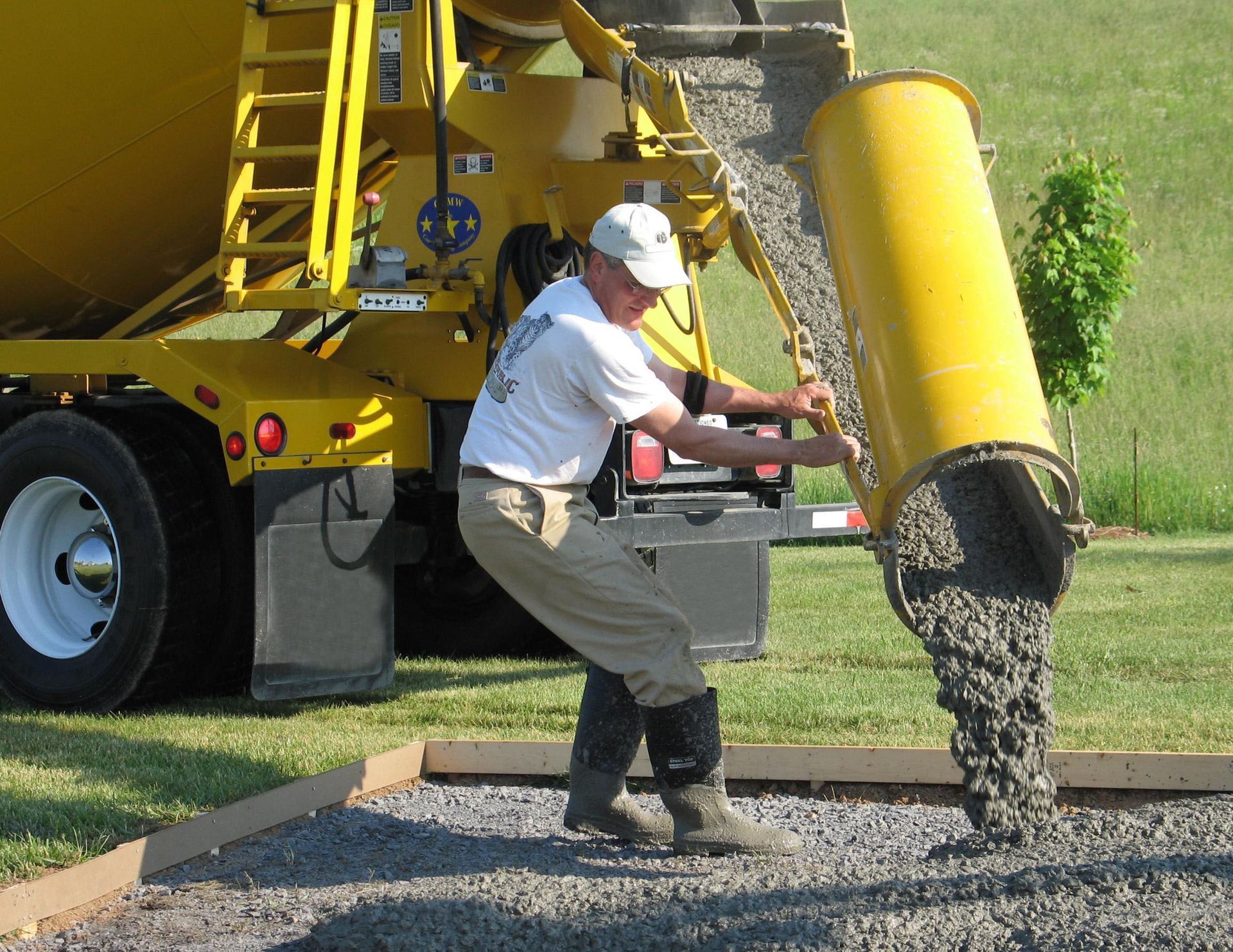
Various materials are integral to hardscaping design, each offering unique properties suited to different applications. Stone, ranging from natural flagstone to decorative pebbles, is favored for its organic appearance and durability. Concrete delivery is exceptionally versatile, available in countless finishes and colors. According to Mordor Intelligence, the residential sector represented approximately 35% of the ready-mix concrete market share in North America in 2025. Brick offers a timeless look with warm tones, providing both aesthetic appeal and structural integrity.
Recognizing Essential Elements
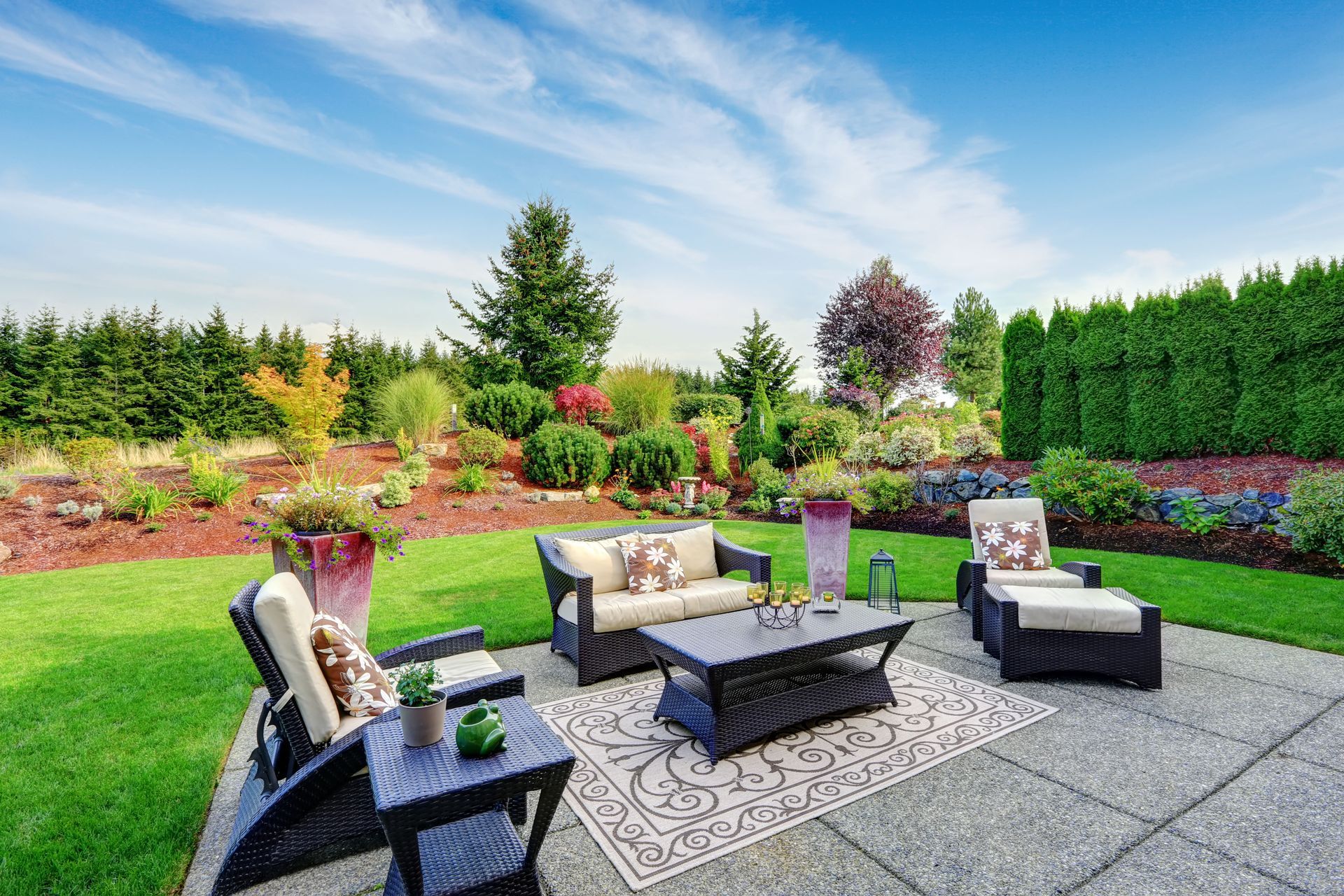
Common hardscaping features enhance the utility and beauty of outdoor living spaces, playing a crucial role in landscape architecture. Patios and terraces create functional areas for dining and gatherings, seamlessly extending the indoor living space to the outdoors. Pathways and walkways structure the flow of foot traffic while enhancing the visual landscape with their defined lines. Retaining walls provide crucial erosion control and add variation to flat terrains, contributing dynamic layers and dimension.
Analyzing the Benefits of Residential Hardscaping
One notable benefit of residential hardscaping is its ability to considerably enhance property value. Features such as patios, walkways, and driveways add immediate appeal, attracting potential buyers who appreciate turn-key outdoor spaces. Well-maintained and thoughtfully designed hardscape elements signal to buyers the care invested in the overall property, often justifying higher selling prices.
Providing Low-Maintenance Advantages
Homeowners are increasingly drawn to hardscaping due to its low-maintenance benefits relative to traditional gardens and lawns. Once installed, hardscape components require minimal upkeep compared to the continuous efforts needed for landscaping, such as watering, trimming, and fertilizing. Hard surfaces like stone and brick do not require mowing, and they withstand the elements, offering a stable surface year-round. This is particularly appealing in regions where extreme weather can make softscaping impractical.
Improving Outdoor Living Spaces
With their ability to create structured environments, hardscape elements play a vital role in enhancing outdoor living spaces. Patios provide seamless transitions from indoor areas, offering locations for socializing, dining, and relaxing. Fire pits and outdoor kitchens expand recreational options and make outdoor spaces more inviting and usable throughout the year. By defining sections for different activities, hardscaping enables homeowners to maximize the utility of their property's exterior.
Evaluating Trends in Residential Hardscaping
The trend toward sustainable hardscaping continues to gain traction as more homeowners and designers prioritize environmentally conscious choices. The use of recycled materials and permeable surfaces reflects growing awareness of ecological impacts. Incorporating such practices assists in water conservation and management, aligning landscape designs with sustainability goals. As eco-consciousness shapes hardscaping decisions, designs adopt a holistic approach that reconciles outdoor beauty with planetary stewardship.
Incorporating Advanced Technology
Modern hardscaping is increasingly incorporating technology to enhance functionality and convenience within outdoor spaces. Smart irrigation systems adjust to weather patterns and soil moisture levels, optimizing water usage automatically. Built-in lighting with timers and smartphone controls creates a customizable ambiance and improves safety without requiring constant manual adjustments. Outdoor sound systems and weather-resistant televisions offer recreations of indoor comfort in open-air settings.
Focusing on Customization
The appetite for personalized and customized hardscaping continues to rise as homeowners seek to reflect their unique tastes and lifestyle needs. Features can be tailored with unique textures, colors, and materials, allowing spaces to become expressive canvases. Custom pathways, bespoke patios, and artistically crafted retaining walls ensure that every aspect of the design speaks to the homeowner's aesthetic preferences.
Navigating Challenges in Hardscaping
The financial aspects of hardscaping pose significant challenges, as upfront costs can be considerable depending on materials and complexity. Quality materials and skilled labor, critical to executing durable installations, often demand substantial investment. Homeowners must navigate budgeting and financing, balancing their aspirations with realistic monetary constraints to avoid costly overruns. Relying on professional concrete delivery ensures that materials are handled efficiently, reducing waste and unnecessary labor costs.
Minimizing Environmental Impact
Not all hardscaping practices are environmentally benign, and the potential ecological footprint of materials and processes demands careful evaluation. Non-permeable surfaces can aggravate stormwater runoff, contributing to erosion and placing additional strain on local water systems. The carbon emissions associated with manufacturing and transporting materials can further exacerbate environmental issues unless mitigated by sustainable choices. Adopting eco-friendly alternatives can ensure alignment with ecological priorities.
Understanding Weather and Climate
The choice of hardscaping materials and design is heavily influenced by environmental conditions, with weather and climate posing particular challenges. Freezing temperatures can cause cracking or heaving in concrete, necessitating consideration of frost-resistant options or controlled expansion joints. Similarly, prolonged exposure to sunlight may result in fading or surface degradation, demanding UV-resistant coatings. Material selections must adapt to local climates to preserve longevity.
Choosing the Right Hardscaping Professional
Choosing the right professional for a hardscaping project and concrete delivery requires careful evaluation of their qualifications. Accreditation from reputable associations signifies expertise and commitment to industry standards. These qualifications indicate comprehensive knowledge of design, installation best practices, and maintenance involved in hardscaping endeavors. Engaging professionals with proper certifications ensures that they maintain the latest techniques and materials that adhere to high-quality safety standards.
Reviewing Portfolio and Experience
Evaluating a professional's portfolio and experience is a critical step in selecting the right contractor and concrete delivery for your hardscaping needs. Reviewing their previous projects offers insights into their design style, craftsmanship, and ability to handle similar scopes to your envisioned project. Diverse experience with various materials and landscape types signals versatility and the capability to adapt to unique challenges that may arise.
Ensuring Design Compatibility
Ensuring that the chosen professional aligns with your aesthetic and functional vision is crucial in achieving the desired hardscape outcome. A harmonious design partnership stems from a shared understanding of stylistic preferences and mutual respect for creative input. This collaboration ensures that hardscaping elements reflect your personal taste while fulfilling environmental and structural criteria. Selecting a professional whose design sensibility resonates with your own facilitates a collaborative process.
Hardscaping represents a foundational investment in the beauty and functionality of your home. By integrating structural elements with natural beauty, homeowners can create versatile environments that stand the test of time. Whether you are installing a new patio, a complex retaining wall, or a modern driveway, the success of the project relies on quality materials and expert handling. Coordinating your project with a reliable source for concrete delivery is essential to keep your timeline on track and ensure a structural finish that lasts for decades.
Long Island Ready Mix is dedicated to providing high-quality solutions for all your construction and landscaping needs. We specialize in residential, commercial, and industrial ready mix concrete to handle projects of any scale. Our team ensures that your site receives the exact specifications required for a durable and beautiful finish. If you are ready to enhance your property's curb appeal and functionality, contact Long Island Ready Mix today to schedule your next concrete delivery.