June 5, 2026
Concrete construction in the United States relies on a complex system of production, distribution, and on-site execution. At the center of this system are concrete contractors, who bridge the gap between material supply and finished structures. Their work is directly influenced by where production facilities are located and how efficiently materials move across regions. As demand continues to grow in both urban and suburban markets, geographic positioning has become a defining factor in project timelines, costs, and consistency. Understanding this relationship helps clarify why location strategy is just as important as material quality in modern construction.
Understanding the Industry and Growing Demand
The U.S. concrete sector continues to expand alongside infrastructure upgrades, housing development, and commercial construction. In this environment, contractors play a central role in translating raw supply into usable structures that meet strict performance standards. Their work depends heavily on reliable access to materials, which is why proximity to production facilities is so important.
Market demand is shaped by population growth, transportation expansion, and municipal investment projects. Concrete contractors must adapt to these cycles, balancing scheduling, labor, and material availability. As projects scale up, coordination between suppliers and field teams becomes more complex but also more essential for maintaining efficiency.
The industry’s structure encourages long-term planning between producers and contractors. When these relationships are well-aligned, project delays are reduced, and material waste is minimized. This ongoing coordination helps stabilize construction output even when market conditions fluctuate.
Locating the Production Hubs and Expanding Reach
Production facilities across the U.S. are concentrated in regions with strong construction activity and access to raw materials. Texas, California, and Florida remain dominant hubs due to high development rates and large infrastructure pipelines. In these regions, contractors benefit from shorter delivery times and more predictable supply chains.
The Midwest and Northeast also maintain strong production networks supported by established transportation infrastructure. These areas allow contractors to serve both urban centers and surrounding communities without significant logistical delays. This geographic spread ensures that no single region is overly dependent on long-distance material transport.
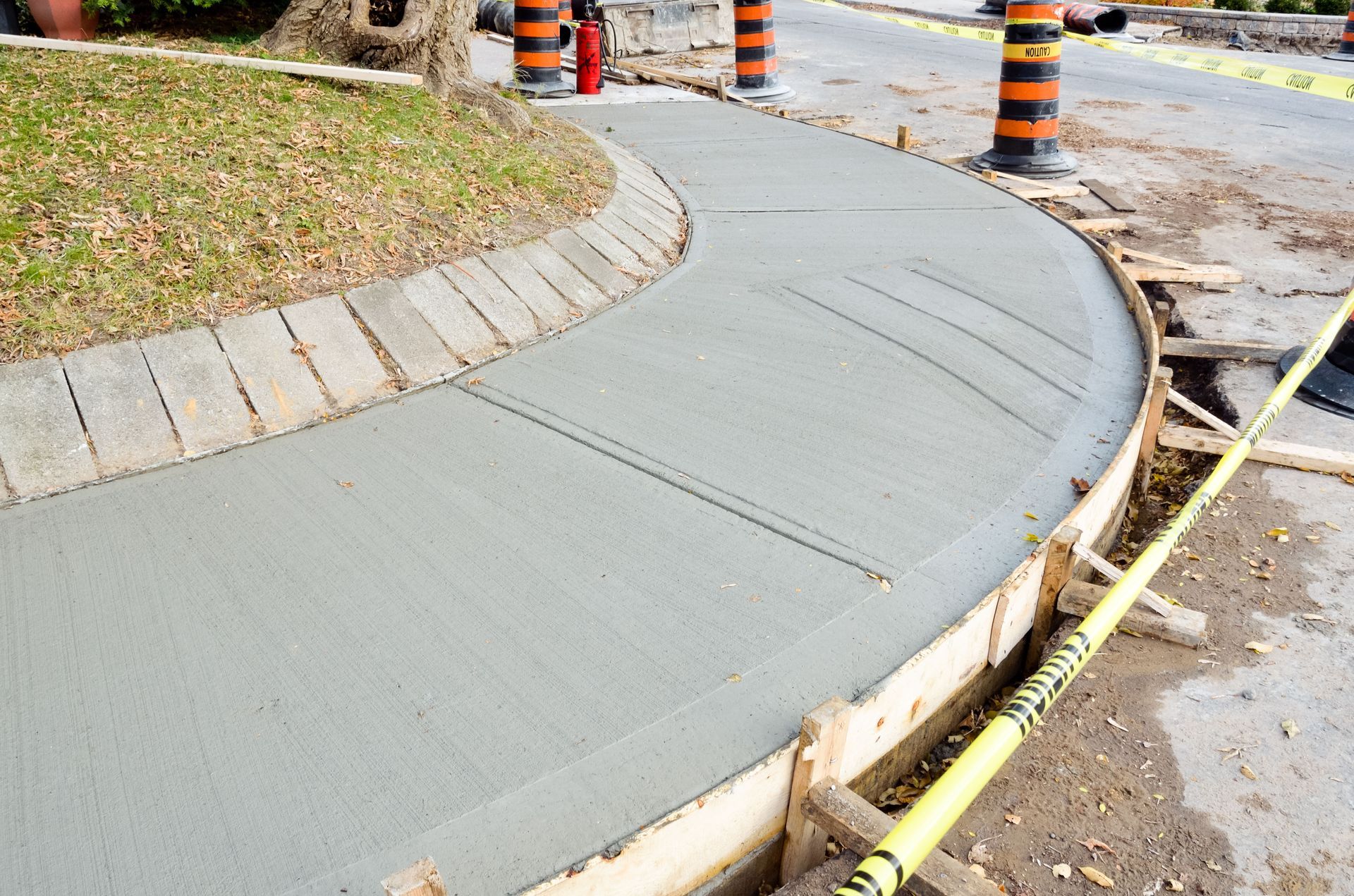
According to House Grail, a concrete driveway can last between 25 and 50 years, depending on installation quality and environmental conditions. This long service life highlights why placement, durability, and installation practices matter so much in planning. For contractors, it reinforces the importance of precision during installation, since long-term performance is directly tied to early execution quality.
As production hubs expand, regional access continues to improve. This helps stabilize pricing and allows contractors to maintain consistent project scheduling across different states.
Managing the Supply Chain and Logistics Flowing
Efficient logistics are essential in connecting production facilities with job sites. Transportation networks such as highways, rail systems, and ports determine how quickly materials reach end users. Concrete contractors often depend on tightly scheduled deliveries to avoid downtime on active sites.
Supply chain coordination has become more advanced, with digital systems improving forecasting and inventory control. These tools help align production output with project demand, reducing material shortages and overordering. For contractors, this means fewer disruptions and more predictable workflows.
Regional delivery timing also influences project planning. Urban projects may require multiple daily deliveries, while rural builds rely on batch scheduling. These variations require flexibility from both suppliers and contractors.
Ultimately, supply chain efficiency determines how smoothly construction progresses. When coordination is strong, projects move faster and with fewer cost overruns, benefiting all stakeholders involved.
Coordinating with Materials and Resource Sourcing
Raw material availability plays a major role in determining production capacity. Cement ingredients such as limestone and clay must be sourced efficiently to maintain cost control and output stability. Concrete contractors indirectly rely on this upstream sourcing when planning project timelines and estimating delivery windows.
Transportation costs can significantly influence material pricing, especially in regions farther from extraction sites. As a result, production facilities are often located near resource-rich areas to reduce operational strain. This geographic alignment supports more consistent supply availability for contractors working across multiple job types.
Material consistency is another key consideration. Variations in aggregate quality or mix composition can affect structural performance. Contractors must therefore rely on standardized production practices to ensure predictable results across different projects.
Strong coordination between suppliers and contractors ensures that material specifications are met without delays. This alignment supports safer builds and more efficient project execution overall.
Operating with Technology and Production Advancing
Technology has reshaped how concrete is produced, transported, and applied. Automation in batching plants improves consistency, while digital tracking systems enhance delivery accuracy. These improvements directly support the work of contractors by reducing variability in material quality.
Advanced modeling tools also help predict project requirements more accurately. By analyzing weather, load demands, and scheduling constraints, production systems can better align output with real-world needs. Concrete contractors benefit from this precision through fewer adjustments on-site.
Innovations such as performance-enhanced mixtures and improved curing methods have also increased durability standards. These developments reduce maintenance needs and improve long-term structural reliability. Contractors working with these materials can deliver higher-quality outcomes with fewer complications during installation.
As technology continues to evolve, the relationship between production and field execution becomes more integrated. This creates a more responsive and efficient construction ecosystem overall.
Balancing Regional Conditions and Cost Reducing
Geographic conditions strongly influence both production strategies and construction outcomes. Temperature, humidity, and soil composition all affect how concrete performs over time. Concrete contractors must adjust techniques based on these environmental variables to ensure long-term durability.
Regional cost differences also play a major role in project planning. Labor rates, transportation fees, and regulatory requirements vary widely across states. These differences influence how contractors structure bids and manage budgets.
Access to nearby production facilities helps reduce transportation expenses and improve delivery timing. This proximity is especially important in large-scale projects where delays can quickly increase overall costs. Efficient location planning allows contractors to maintain more stable pricing structures.
In many cases, regional adaptability determines project success. Contractors who understand local conditions can better anticipate challenges and adjust workflows accordingly, leading to smoother project delivery.
Supporting Project Delivery and Contractor Building
Successful construction depends on precise coordination between material supply and field execution. Production facilities provide the foundation, but contractors are responsible for translating that supply into finished structures. This relationship requires constant communication and reliable scheduling.
Project delivery timelines are often shaped by material availability and transportation efficiency. When these systems align effectively, contractors can maintain consistent progress across multiple job sites. This reduces idle time and improves overall productivity.
Workforce planning also plays a role in execution efficiency. Contractors must balance labor availability with material delivery schedules to avoid delays. This coordination becomes even more important in high-demand periods when multiple projects compete for resources.
Strong integration between production systems and contractor operations ensures that construction goals are met with fewer disruptions. It creates a more predictable and scalable environment for future development.
The relationship between production geography and construction execution continues to shape how infrastructure projects are delivered across the United States. Concrete contractors operate within this system by depending on efficient supply chains, regional material access, and consistent product quality to keep projects on schedule and within specification. As demand increases and construction methods evolve, coordination between production facilities and field teams will become even more important for maintaining reliability and efficiency. For projects that require dependable concrete supply and timely delivery, connect with Long Island Ready Mix to support consistent performance from planning through completion.